

Introduction to Handball Bundesliga Frauen
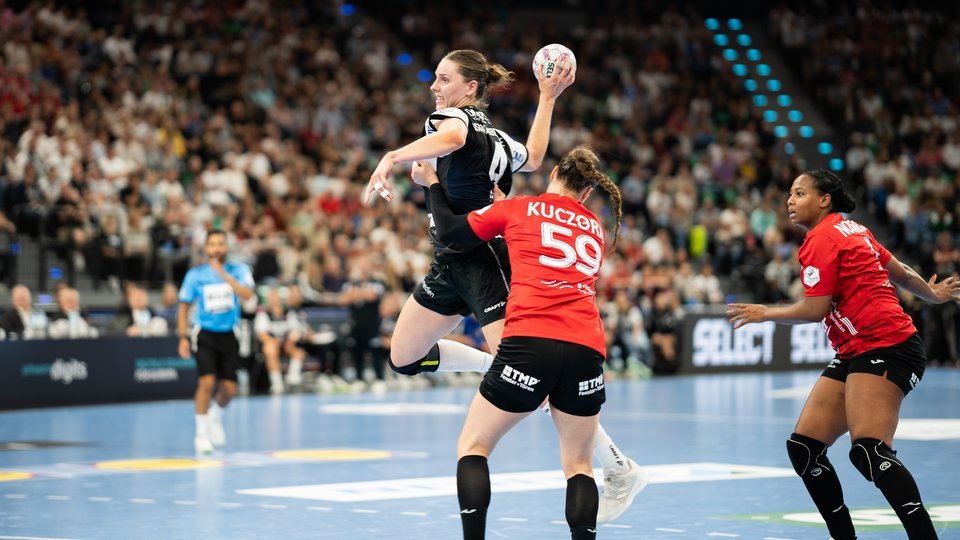
The Handball Bundesliga Frauen (HBF) stands as a pivotal component of women’s sports in Germany, representing the pinnacle of female handball competition in the nation. Established in 1976, the league emerged from a desire to provide women athletes a platform for their talents and a structured competitive environment that mirrored the men’s Bundesliga. Over the decades, the HBF has grown immensely, both in terms of participation and popularity, securing its reputation as one of the leading women’s handball leagues in Europe.
From its inception, the Handball Bundesliga Frauen aimed to champion women’s handball, and its formation marked a significant milestone in the promotion of gender equality within sports. As the league developed, it attracted a diverse range of teams, with clubs from various regions of Germany fostering talent and competitiveness. The league’s structure has evolved through the years, allowing for the inclusion of more teams and the establishment of a solid framework for competitive play, which has been instrumental in nurturing young talent.
The HBF operates under the auspices of the German Handball Federation (DHB), ensuring that it adheres to international standards while promoting the growth of women’s handball. The league has not only impacted the national landscape but has also played a crucial role in raising the profile of women’s handball on a global scale. It has showcased talented athletes who have gone on to represent Germany in international competitions, thus enhancing the visibility and recognition of the sport.
Overall, the Handball Bundesliga Frauen serves as a vital institution within women’s sports, nurturing both competitive spirit and community engagement, and striving to inspire future generations of female athletes.
The Structure and Format of the League
The Handball Bundesliga Frauen, as Germany’s premier women’s handball league, consists of 14 teams competing at the highest level of the sport. The league structure is designed to ensure a balanced competition while providing an atmosphere for developing talent and fostering competitive integrity. Each season typically runs from September to May, allowing teams to compete in a home-and-away format. This gives every club the opportunity to face each other twice, once on home ground and once away.
During the regular season, the teams are awarded points based on their performance in each match: two points for a win, one point for a draw, and no points for a loss. The teams accumulate points across the season, and by the end of the regular matches, the top four teams qualify for the playoffs. This playoff system is crucial in determining the league champion, as it consists of knockout rounds that are high-paced and highly competitive, reflecting the intensity of the Handball Bundesliga Frauen.
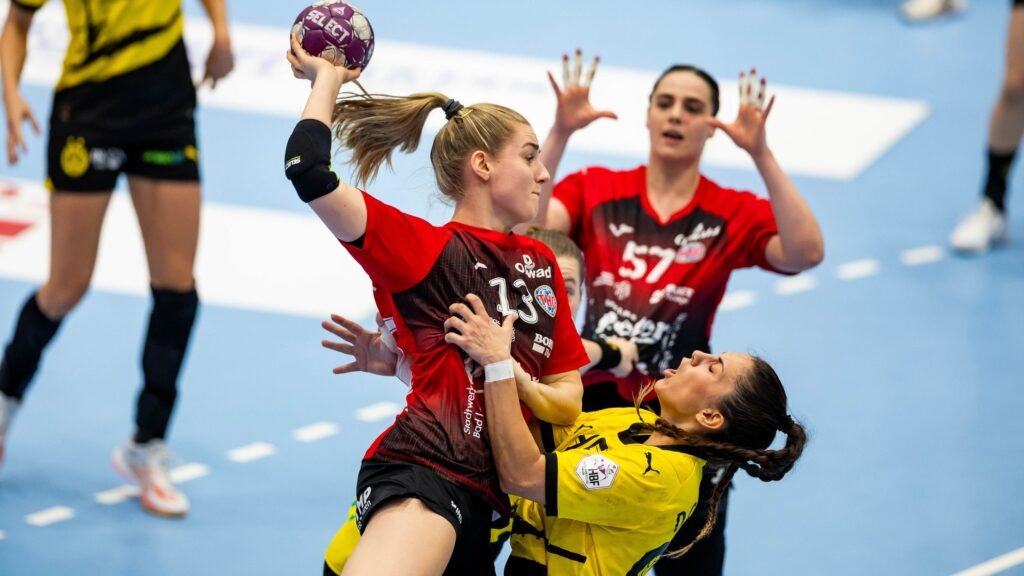
Furthermore, there’s a clear structure for promotion and relegation between the Handball Bundesliga Frauen and the lower divisions. The bottom two teams at season’s end face relegation to the second tier, ensuring that the league remains highly competitive and that teams strive to maintain their status at the top level. Additionally, the top-performing teams have the opportunity to qualify for European competitions, such as the EHF Champions League and EHF Cup. This qualification is typically based on their success in both the regular season and the playoffs, further elevating the stakes in the league.
Top Teams and Players in Handball Bundesliga Frauen
The Handball Bundesliga Frauen, being Germany’s premier women’s handball league, showcases exceptional talent and skill among its teams and players. Several clubs stand out for their remarkable achievements and contributions in the league. SC Magdeburg, for instance, has a rich history and has consistently demonstrated dominance with multiple championship titles. Their successful strategies and player development systems have made them a formidable force in the Bundesliga.
Another notable team is Borussia Dortmund, which has rapidly risen to prominence in recent years. Their investment in young talent and emphasis on teamwork have garnered them a solid fan base and notable success in domestic competitions. The club not only emphasizes winning but also promotes the sport among young women, contributing to the overall growth of women’s handball in Germany.
Equally significant is SG BBM Bietigheim, a club renowned for their tactical gameplay and resilience on the court. Their performances have earned them admiration both locally and internationally, as they have secured a place in European tournaments, boosting the league’s reputation globally.
In terms of individual performers within Handball Bundesliga Frauen, players such as Jennifer Glauser and Anna Loerper have made headlines with their outstanding contributions. Glauser, known for her exceptional goalkeeping skills, has been pivotal in securing victories for her team, while Loerper’s versatility and scoring ability have frequently put her in the spotlight, making her a key player to watch. These players not only impress with their on-court capabilities but also serve as role models for aspiring young athletes.
Additionally, emerging talents continue to shape the league, bringing fresh energy and enthusiasm. Their development is integral to maintaining the competitiveness of Handball Bundesliga Frauen, ensuring an exciting future for the sport.
The Future of Handball Bundesliga Frauen
The Handball Bundesliga Frauen is at a pivotal moment in its history, witnessing a surge in interest and participation in women’s sports that presents both opportunities and challenges for the league. As societal norms evolve, there is a remarkable increase in the visibility of female athletes, leading to greater public interest and support for women’s handball.
One of the key trends observed is the rising participation in youth leagues, which emphasizes the importance of nurturing talent from a young age. By focusing on grassroots initiatives, the league can attract more players, ensuring a strong pipeline for future professional talent. Furthermore, improving facilities and coaching opportunities for young girls will foster an environment conducive to growth and excellence in handball.
Sponsorship plays a crucial role in shaping the future landscape of Handball Bundesliga Frauen. With corporate sponsors increasingly recognizing the potential of women’s sports, it is essential for the league to effectively engage these partners. By promoting sponsorship deals that highlight the competitive spirit and talents of female athletes, the league can secure financial support necessary for its developmental programs and marketing efforts.
Moreover, enhancing fan engagement is vital for the league’s sustainability. Initiatives aimed at creating interactive fan experiences, such as community events, meet-and-greets, and family-friendly match days, can boost attendance and deepen loyalty to teams. The integration of digital platforms for broader accessibility and engagement is also paramount, as it enables fans from all over to connect with the league and its players.
Overall, the Handball Bundesliga Frauen stands to benefit significantly from these trends and initiatives. With concerted efforts in youth development, increased sponsorship opportunities, and heightened fan engagement, the league is poised for a promising future, helping to elevate women’s handball on both national and international stages.
