


Introduction to Kreisliga Ost
The Kreisliga Ost represents a vital segment within the intricate fabric of the German football league system. Serving as one of the numerous Kreisliga divisions scattered throughout the country, Kreisliga Ost encompasses a blend of competition that features local clubs, amateur players, and enthusiastic supporters. Its significance cannot be understated as it not only offers a platform for aspiring footballers to showcase their skills but also plays a crucial role in fostering community spirit and involvement in grassroots football.
Historically, the Kreisliga has evolved from earlier forms of local competitions, gradually formalizing into structured leagues as the popularity of football surged in Germany. Kreisliga Ost, specifically, emerged as a response to the growing number of clubs and the desire to maintain a level playing field within the community. The division comprises various clubs, often steeped in local tradition, and provides a stepping stone for players who aspire to progress through the ranks of German football.
The Kreisliga serves as the foundation for many players’ football journeys, creating a bridge to higher tiers of competition, such as the Landesliga and Bezirksliga. This structure encourages the development of local talent, while also ensuring that the sport remains accessible to all members of the community. Moreover, it promotes engagement from fans, families, and local businesses, which are essential for sustaining the clubs and making local football a celebrated aspect of community life.
In summary, Kreisliga Ost and similar divisions not only cultivate sporting talent but also reinforce social bonds, making them a powerhouse of local football culture in Germany.
Structure and Format of Kreisliga Ost
The organizational structure of Kreisliga Ost is fundamental to understanding the dynamics of local football in the region. The league typically comprises a variety of divisions, with several teams competing within each. Generally, the Kreisliga Ost is characterized by multiple tiers, which allows for a diverse range of football clubs to participate, from smaller community teams to more established clubs.
In the current setup, the Kreisliga Ost features numerous teams spread across different divisions. The exact number can vary season by season, as clubs may be promoted or relegated based on their performance. Promotion and relegation are crucial components of this league, providing opportunities for teams to advance to higher tiers while also facing the risk of dropping to lower divisions.
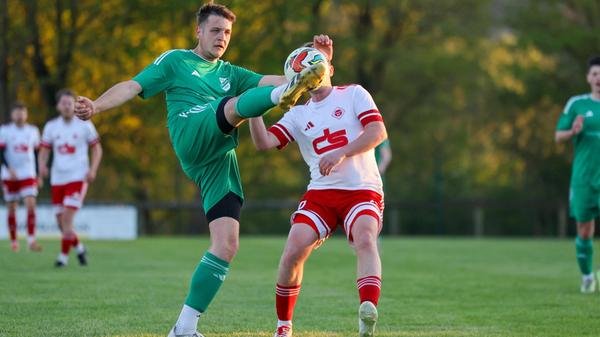
Matches within Kreisliga Ost are scheduled on a regular basis throughout the season, allowing teams to compete weekly. The format of competitions may include a mix of home and away games, culminating in a points system where teams earn points based on match outcomes. The accumulation of points determines the standings of each team within their respective divisions.
At the end of the season, certain teams may have the chance to compete in playoffs or tournaments, showcasing the most successful clubs within the league. This competitive structure not only fuels enthusiasm amongst local supporters but also fosters a sense of unity and identity within the participating teams. Consequently, the Kreisliga Ost serves as an essential platform for aspiring footballers while reinforcing the vibrant local football culture.
Cultural Significance and Community Impact
The Kreisliga Ost holds considerable cultural significance within local communities, serving as a cornerstone for social interaction and a platform for fostering community spirit. Football, as a sport, transcends mere entertainment; it embodies local pride and identity. Each match played within the Kreisliga Ost not only showcases local talent but also unites residents, encouraging them to come together in support of their teams.
Local clubs participating in the Kreisliga Ost often have deep-rooted histories in their communities, sometimes dating back several generations. By supporting these clubs, individuals strengthen their sense of belonging and connection to their locality. Through the promotion of grassroots football, these clubs create opportunities for local talent to shine, offering youth players a pathway to develop their skills and showcase their abilities on a competitive stage.
The impact of Kreisliga clubs extends beyond the pitch; they often initiate various community projects and engage in social responsibility initiatives that address local needs. For instance, many teams organize youth training camps, which not only develop young players technically but also instill values such as teamwork and discipline. Furthermore, these clubs frequently offer mentorship programs linking experienced players with the youth, thereby imparting knowledge and fostering personal development.
Additionally, Kreisliga Ost clubs serve as a focal point for events and gatherings, further enriching community life. The atmosphere surrounding local matches, filled with families and friends cheering for their teams, promotes social interaction and strengthens community ties. This ability to draw people together highlights how these clubs are more than just sports teams; they are essential components of the social fabric that binds communities together.
Challenges and Future of Kreisliga Ost
The Kreisliga Ost, a vital component of the grassroots football scene in Germany, faces several significant challenges that could impact its sustainability and growth. Financial constraints are a primary concern. Many clubs within the Kreisliga Ost operate on limited budgets, which makes it difficult to maintain facilities, pay for essential equipment, and fund participation in various league activities. Such fiscal limitations can lead to a decrease in the quality of football played and can hinder clubs in attracting and retaining talented players.
Player retention is another hurdle that clubs must navigate. As higher leagues and more lucrative opportunities beckon players, maintaining a loyal and committed roster becomes increasingly complex. Clubs in Kreisliga Ost often struggle to compete with better facilities, funding, and overall experiences offered by clubs in higher divisions. Additionally, the growing trend of youth gravitating towards sports with more prominent media coverage and financial incentives can detract from the allure of local grassroots football.
Looking ahead, Kreisliga Ost can explore various strategies to foster growth and enhance sustainability. Forming partnerships with local businesses could prove beneficial, as sponsorships and community support often provide crucial financial backing. Efforts to improve facilities can also enhance the overall playing experience, which may draw more players and fans alike. Engaging younger generations in the sport through youth academies, schools, and community programs can help create a steady influx of talent, ensuring the survival of local clubs.
In conclusion, while Kreisliga Ost encounters significant challenges, proactive strategies and community involvement may pave the way for a brighter future. By addressing financial issues, player retention, and competition, Kreisliga Ost could restore its standing within the rich tapestry of German football.
